
I Spent Eleven Years Getting It Wrong. This Is What I Was Missing.
For eleven years, I told every patient the same thing every doctor tells them.
Eat less. Move more. Track your calories.
And for eleven years, I watched them fail — not because they weren't trying, but because I was treating the symptom without understanding the cause.
I'm Dr. Sarah Mitchell.
I've practiced internal medicine for fourteen years, trained at Harvard, and published in peer-reviewed journals. And I got this wrong for over a decade.
The patient who changed everything was named Carol — 54 years old, had tried every diet I'd ever recommended, exercised five days a week, kept a meticulous food journal.
She was doing everything right. And she still couldn't lose weight.
When I finally ran a complete metabolic hormone panel, I saw what I'd been missing the entire time: her GLP-1 response was almost completely absent.
Her body had lost the ability to signal satiety. She wasn't failing willpower.
She was fighting a broken biological system with nothing but discipline. That conversation is why I wrote this article.
The hormone is called GLP-1. It lives in your gut, regulates your appetite, and in a significant portion of the population — possibly including you — it doesn't function the way it should.
When it's impaired, you feel hungrier than you're supposed to. You think about food constantly — not because you lack discipline, but because your brain is receiving a hunger signal that never fully turns off. Researchers call this "food noise": the background mental chatter that plans the next meal while you're still eating the current one, that pulls you toward the kitchen at 11pm, that makes every bite feel like a negotiation. A 2025 study found that 62% of patients with metabolic dysfunction reported constant food-related thoughts before treatment — dropping to just 16% after starting GLP-1 therapy.
No amount of willpower can override a broken biological signal. Because it was never a willpower problem to begin with.
GLP-1 medications work by restoring that signal.
The STEP 1 trial showed 15% average body weight reduction over 68 weeks. The SURMOUNT-1 trial showed up to 22.5% with tirzepatide.
These numbers don't compare to diet programs. They rewrite what the word "possible" means.
Every Diet You've Ever Tried Was Set Up to Fail.
What researchers now call Metabolic Signal Failure is straightforward in its mechanics: your gut-brain hormonal axis — the internal communication system that tells you when you're full, when you're satisfied, when your body has enough stored energy — stops working correctly.
Not all at once. Gradually, over years of processed food, chronic stress, disrupted sleep, and metabolic dysregulation.
Until one day the signal is too weak to compete with hunger, and no act of discipline can override it.
Here's what explains your entire dieting history.
Every approach below fails for the same single reason: none of them address Metabolic Signal Failure.
Cutting calories reduces your metabolic rate — your body adapts by burning less. And with a broken GLP-1 signal, hunger intensifies as you eat less, making restriction impossible to sustain long-term. The clinical term is metabolic adaptation. The lived experience is fighting your own biology every single day — and eventually losing.
Ketosis suppresses appetite through a different mechanism — and it genuinely works, temporarily. But the moment carbohydrates return, a broken GLP-1 signal means the old hunger patterns come back with them. Without fixing the underlying hormonal deficit, no dietary structure holds long-term. The plateau is built into the biology.
Exercise has profound health benefits — but for weight loss alone, the research is humbling. A 2021 meta-analysis found that exercise interventions without dietary change produced an average of 2.5 lbs of weight loss over 12 months. Exercise burns calories. It cannot fix a hormonal system that keeps you chronically hungry. That requires a different intervention entirely.
This one actually works — the active molecule is clinically proven. The problem is the price tag. At $1,100–$1,349/month without insurance, brand-name GLP-1 medications are unreachable for most people who qualify. Supply shortages created multi-month waitlists. The right treatment exists. It was packaged for the wrong patient.
These products typically contain berberine, which modestly improves insulin sensitivity through a completely different mechanism. They do not contain GLP-1 receptor agonists. They cannot produce the 15–22% weight loss seen in clinical trials. The word "GLP-1" in their marketing is misdirection — mild metabolic support sold as signal restoration.
"Every single patient who came to me after years of failed diets had one thing in common: they had been treated for the symptom — overeating — instead of the cause. Once we addressed the hormonal signal, the willpower problem disappeared. Because it was never a willpower problem."
— Dr. Sarah Mitchell, MD · Board-certified Internist, Metabolic Health SpecialistGLP-1 produces more weight loss than any non-surgical intervention ever studied — including the most intensive behavioral programs.
The STEP 1 trial (NEJM, 2021) showed average 15% weight reduction with semaglutide vs. 2.4% with placebo. The SELECT trial (NEJM, 2023) found a 20% reduction in major cardiovascular events. As of 2026, over 250,000 Americans are actively enrolled in GLP-1 programs through telehealth providers.
Here's What's Actually Been Broken Inside You This Whole Time.
Think of GLP-1 as your body's natural "food thermostat."
Glucagon-like peptide-1 is a hormone your gut produces after eating. Understanding how GLP-1 works for weight loss starts here: in a healthy metabolic state, it signals your brain you're full, slows digestion, and regulates insulin — creating a natural ceiling on how much you eat before satisfaction arrives.
In most people with chronic weight gain, this thermostat is miscalibrated — it doesn't produce enough signal, or the brain doesn't respond adequately.
GLP-1 medications work by mimicking and extending this signal. Your natural GLP-1 has a half-life of about 2 minutes.
The pharmaceutical versions extend that to hours — or, with once-weekly semaglutide, a full week.
This produces four simultaneous effects that diet and exercise alone can't replicate:
GLP-1 acts on the hypothalamus, reducing hunger signals at the source. Patients consistently report food "stops occupying their thoughts" within weeks of starting.
Food stays in your stomach longer, so you feel full sooner and stay full longer — reducing total caloric intake without conscious restriction.
GLP-1 stimulates insulin release only when blood sugar is high — reducing fat storage signals while stabilizing energy levels throughout the day.
Emerging research shows GLP-1 modulates the brain's reward system, reducing compulsive pull toward high-calorie foods — something no behavioral intervention has achieved at this scale.
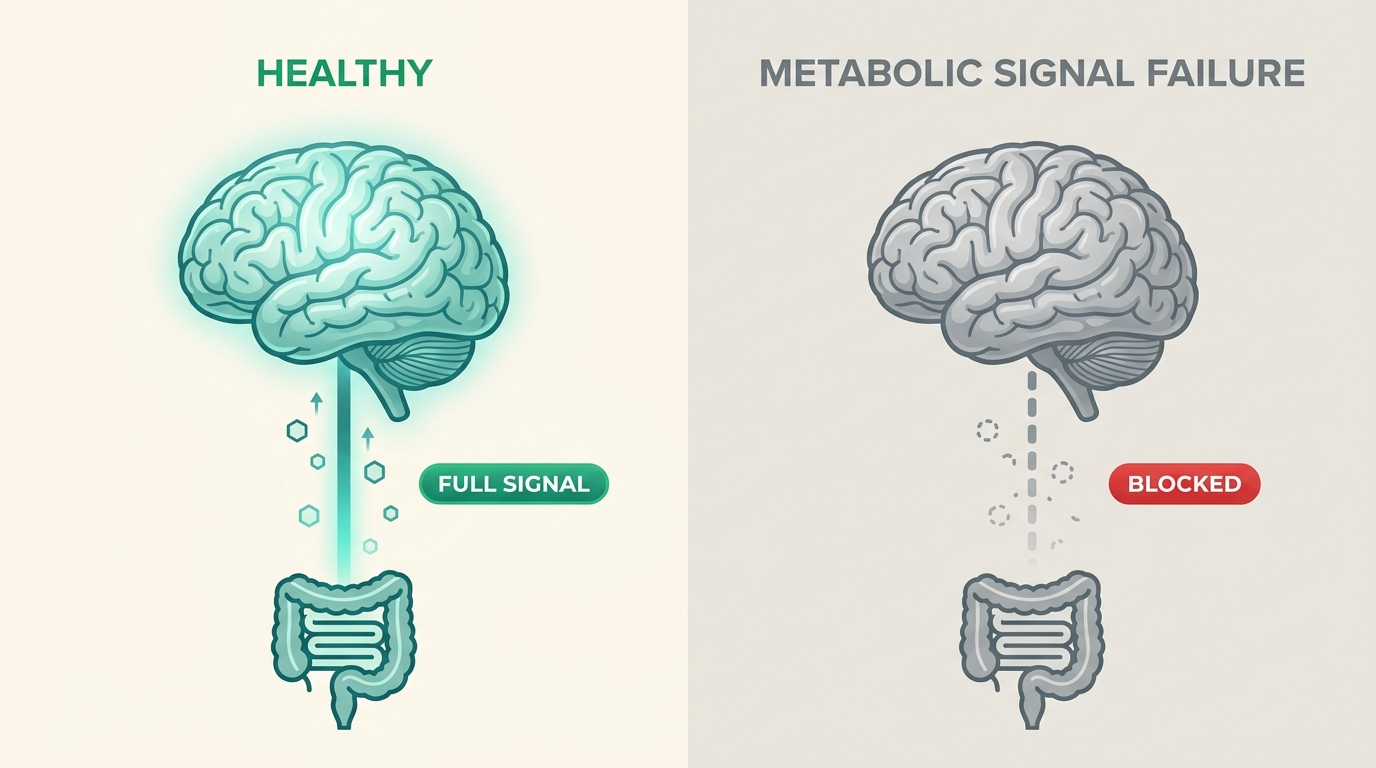
GLP-1 research has produced the most consistent weight-loss results of any non-surgical intervention in clinical history.
The Side Effects Are Real? Here's What the Clinical Data Actually Shows — and What the Media Left Out.
From clinical trials, GLP-1 weight loss is safe with physician supervision and proper dose titration. What most media coverage misses is the timeline: the effects people read about are largely confined to the first two weeks. Here's what actually happens, week by week.
Mild nausea and reduced appetite are most noticeable here. Your stomach now empties more slowly — which is exactly what creates satiety. The nausea is the mechanism. It's not a warning signal; it's confirmation that your GLP-1 receptors are responding.
GI effects decrease significantly as your body adjusts to each dose level. Most patients report that nausea simply disappears during this window. Appetite suppression stabilizes — and the mental quiet around food becomes noticeable for the first time.
For the majority of patients on stable doses, nausea is essentially gone. What remains is the benefit: reduced appetite, improved satiety signaling, and steady weight loss — without the early discomfort. This is where most patients spend most of their treatment.
"The nausea peaks during dose escalation and improves significantly over the following weeks — it's the most common reason patients stop prematurely, and also the most preventable."
— STEP 1 Trial Investigators, New England Journal of Medicine, 2021The patients who see the best results are almost always the ones who made it past week two. The adaptation window is real — and once it closes, the experience changes completely.
Four Years of Data. Seventeen Thousand Patients. Here's What the Trials Actually Found.
The SELECT trial followed 17,604 patients for up to 4 years and found semaglutide reduced major cardiovascular events by 20% — a long-term benefit far beyond weight loss.
No clinically significant organ damage, bone density loss, or metabolic disruption was found across multi-year follow-up.
One variable worth managing during treatment is protein intake. When caloric intake drops significantly, the body needs adequate protein to preserve lean muscle — which keeps your metabolism strong throughout the process.
Clinical guidelines recommend 0.7–1.0g of protein per pound of target body weight, combined with resistance training. Patients who follow this lose fat, not muscle — and their results hold longer.
Three Ways to Access This. Here's How to Tell the Difference.
Patches, injections, oral pills, compounded versions.
Here's what actually matters for results:
How the main GLP-1 telehealth providers actually compare
Most providers advertise only the medication price — not what you actually pay every month.
← Swipe to see all columns →
| Provider | True Monthly Cost* | Compounded GLP-1 | Licensed 503B Pharmacy | Hidden Membership Fee | Physician-Supervised |
|---|---|---|---|---|---|

DirectMeds
Telehealth · Compounded
★ Best Value
|
$179–$299
All-inclusive · no hidden fees
|
✓ Yes | ✓ Yes | ✓ None | ✓ Yes |

Mochi Health
Telehealth · Compounded
|
$178–$278
Advertised: $99 + $79/mo membership
|
✓ Yes | ✓ Yes | $79/mo required | ✓ Yes |

Ro Body
Telehealth · Compounded
|
$298–$453
Advertised: $149 + $149/mo membership
|
✓ Yes | ✗ No | $149/mo required | Partial |

Hims & Hers
Telehealth · Brand-name only
|
$398–$548
Advertised: $249 + $149/mo membership
|
✗ Exited Mar 2026 | ✗ No | $149/mo required | ✗ Questionnaire only |

Brand-Name Wegovy® / Zepbound®
Pharmacy · FDA-approved
|
$1,100–$1,349
Cash pay · no insurance
|
N/A | N/A | ✓ None | ✓ Yes |
*True monthly cost includes all required membership and subscription fees — not just the advertised medication price. Hims & Hers exited the compounded GLP-1 market in March 2026 following a deal with Novo Nordisk and now sells brand-name only. The FTC fined a competing telehealth provider $150,000 in December 2025 specifically for advertising medication costs without disclosing mandatory membership fees.
Of the legitimate compounded options, DirectMeds has become one of the most frequently cited by patients in telehealth forums.
Their process is fully online. They work with licensed 503B pharmacies and ship to 49 states within 48 hours of a physician approval.
Starting cost: $179/month for compounded semaglutide, with tirzepatide available at a slightly higher tier. Both require a physician consultation, which DirectMeds provides through their telehealth platform.
Products marketed as "GLP-1 patches" or "GLP-1 support supplements" are not GLP-1 receptor agonists.
They typically contain berberine or similar compounds and have not demonstrated results anywhere near the 15–22% weight loss seen in clinical trials. Effective GLP-1 treatment requires a physician prescription.
Patient Results
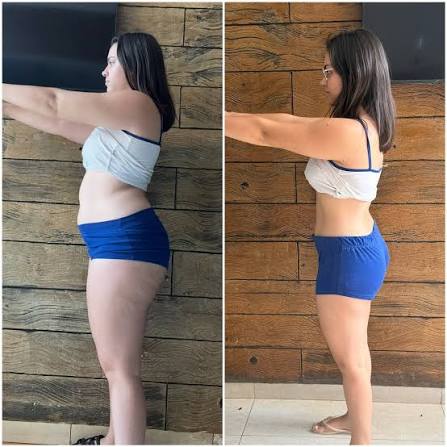
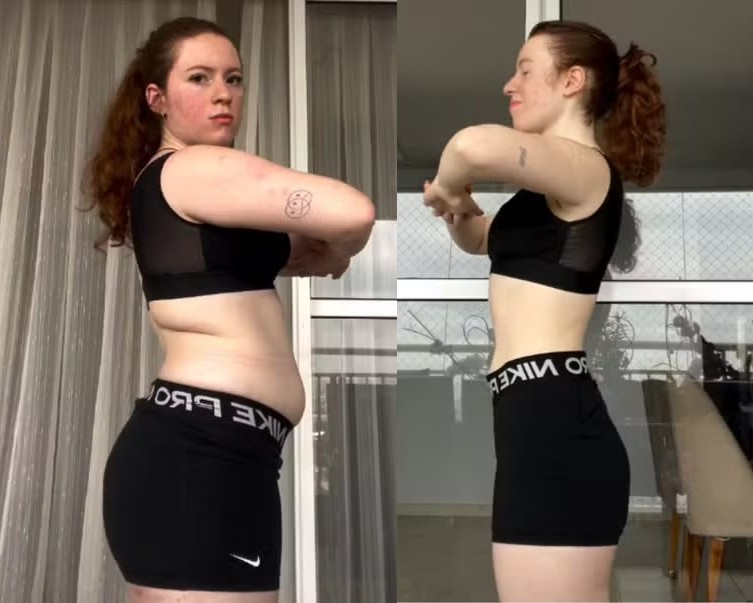




Results vary. Individual outcomes depend on starting weight, dose, adherence, and medical history.
Your Doctor Knew. The Math Made Sure He'd Never Tell You.
The answer has less to do with competence than with incentives.
A brand-name GLP-1 prescription generates $1,100–$1,349 per month in pharmaceutical revenue. A compounded GLP-1 prescription generates $179–$299 per month — a fraction of that.
A standard "eat less, exercise more" appointment generates a billing code and keeps the visit under 15 minutes. Nobody loses money on that visit. Everybody loses on the one that actually helps you.
The result: millions of patients who qualify for GLP-1 therapy are never offered it.
The pharmacokinetics literature on GLP-1 has existed since 2012. What was missing was not the science — it was the incentive to communicate it.
The system was simply never built to ask the right question about metabolic hormones when a behavioral recommendation takes 30 seconds and bills the same.
Brand-name GLP-1: $1,100–$1,349/month. Compounded GLP-1: $179–$299/month. Same active molecule. Different system.
Compounded semaglutide and tirzepatide are prepared by licensed 503B compounding pharmacies under FDA oversight. The active ingredient is identical to brand-name formulations. The cost difference is structural — not clinical. Providers like DirectMeds have made this path fully online: consultation, prescription, and delivery in under 48 hours, starting at $179/month. Over 250,000 Americans have already accessed this path — many through exactly this type of telehealth model.
The Simple Food Strategy That Doubles Your Results (Without Counting Anything).
Reduced appetite on GLP-1 is powerful — but what you eat in those smaller quantities shapes how fast you lose and how good you feel throughout treatment. Here's what the evidence supports:
- Lean protein — chicken, fish, eggs, Greek yogurt
- Non-starchy vegetables
- Legumes (fiber + protein combo)
- Whole grains in small portions
- Minimum 8 cups water per day
- Daily fiber supplement (psyllium husk)
- High-fat and fried foods (slow gastric adaptation)
- Ultra-processed food
- Alcohol (reduces medication effectiveness)
- Sugary beverages
- Large portions in a single sitting
- Eating too fast
The most important variable while on GLP-1 is protein.
Because total caloric intake drops significantly, hitting 0.7–1.0g of protein per pound of goal body weight requires intentional planning.
Patients who hit their protein targets consistently report stronger energy levels, better body composition, and results that hold well beyond the active treatment period.
How to Maintain GLP-1 Weight Loss — and What Happens When You Stop Taking GLP-1
The question carries a fear underneath it: will I lose everything the moment I stop? The honest answer is that it depends less on the medication — and more on what you built while it was working.
Teresa lost 90 pounds on compounded semaglutide after her insurance denied brand-name coverage. She stopped her medication and maintained her results for months afterward. "I started working out multiple times a week during treatment," she said. "You have to be mindful of staying with what you've done — and not slipping back into old habits for sure. Absolutely people can get off of it. I wouldn't be scared to get off of it."
Here's what GLP-1 actually creates: a window.
For the duration of treatment, food noise quiets. Appetite becomes manageable. The biological pull toward overeating — the signal that made every previous attempt feel like fighting your own body — finally recedes. And for the first time, it becomes genuinely possible to build the habits that chronic dieters have always been told were just a matter of willpower.
The medication doesn't build those habits for you. But it removes the noise that made them impossible. Patients who use that window intentionally — building protein habits, starting consistent movement, learning what real satiety feels like — keep significantly more of their results when they eventually taper down or stop.
For patients who want to transition off eventually: physician-supervised tapering is very different from stopping abruptly. Maintenance doses are typically lower than titration doses, so costs decrease over time. Many patients move to periodic cycles rather than continuous treatment. How to maintain GLP-1 weight loss is ultimately a question about what you do with the window — not about what happens when it closes.
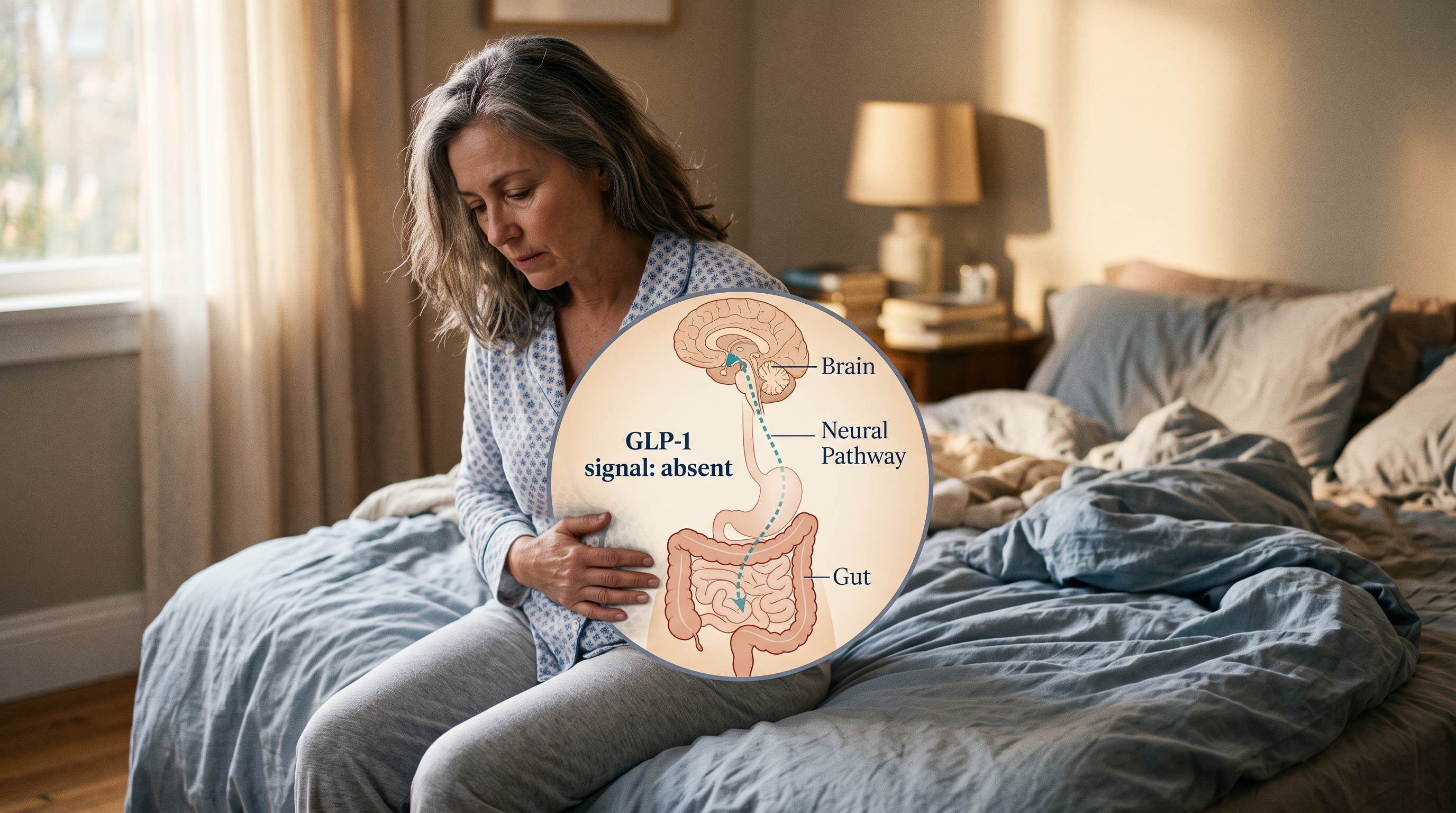
Patients who combine GLP-1 therapy with adequate protein intake and consistent activity report the strongest long-term maintenance results.
Two Roads. Same Starting Point.
You've read the science. You understand the mechanism.
The only remaining question is which path you take from here.
- Try another diet that addresses calories, not Metabolic Signal Failure
- Fight hunger with willpower until the plan collapses
- Regain any weight lost when the restriction ends
- Pay $1,100+/month for brand-name if you can even find it
- Or skip treatment entirely and stay where you are
- Fix Metabolic Signal Failure at its source with prescription GLP-1
- Appetite becomes manageable — without fighting your own biology
- 15–22% average body weight loss in clinical trials
- Starting at $179/month through DirectMeds
- Online consultation · physician prescription · ships in 48 hours
GLP-1 Treatment Starting at $179/Month — No Insurance Required
Board-certified physicians prescribe online. Free 2-day shipping to 49 states. No contracts, no hidden fees. Same active molecules as brand-name Wegovy® and Zepbound® — from a licensed 503B compounding pharmacy.
Check My EligibilityPrescription required. Results vary by individual. Subject to physician evaluation and approval.
Real patients share their experience with GLP-1 treatment — in their own words.

What Patients Are Saying
"I tried every diet for 12 years. Within 6 weeks on this program my hunger was completely different — I didn't feel like I was fighting myself anymore. Down 28 lbs in 4 months."

"The nausea was real the first two weeks. My doctor told me exactly how to manage it. After that — nothing. I've lost 19 lbs and I'm only in month three."

"I was skeptical about getting a prescription online. But the consultation was thorough, my doctor answered every question, and my medication arrived in two days. Completely legitimate."

"The constipation bothered me at first. Started a fiber supplement and it went away completely. Down 22 lbs and I still eat normally — just so much less."

My wife and I both started 3 months ago — she's down 26 lbs, I'm down 18. Nausea was real the first two weeks for both of us, exactly like the article describes, then it faded fast. The big thing nobody warned us about — in a good way — is what researchers call "food noise." That constant background chatter about what to eat next, the guilt after eating, the pull toward the kitchen at night. It just stops. Both of us noticed it in week one. Also didn't expect this: I haven't wanted alcohol in 6 weeks. My wife noticed the same thing. We didn't sign up for that benefit but we'll take it.
Question for anyone who's actually done this — is the online consultation thorough or does it feel like they'll just approve anyone? I'm nervous about a prescription from a provider I've never met. My regular doctor said she wasn't comfortable prescribing compounded semaglutide. I've been heavy my whole life and I've paid for too many things that didn't work to trust easily.
Linda — had the exact same concern. The intake covered my full medical history, current medications, recent labs, and cardiovascular risk factors. The physician messaged me directly with specific follow-up questions about my medical history and current prescriptions before approving anything. More interaction than my last three in-person visits combined. Medication was at my door in 2 days. Four months later, down 34 lbs. It's real.
I have PCOS. Gained weight I genuinely could not lose no matter what I did — exercise, intermittent fasting, nothing moved it. My gynecologist monitored me for years and never once connected it to GLP-1 or metabolic hormones. When I finally asked about semaglutide, my doctor filed a prior auth for Wegovy. Denied. Cash price: $1,349 a month. I cried. Then I found DirectMeds. Same molecule. $179 a month. Five months in, down 41 lbs, and my cycle is regular for the first time in years. My doctor told me last week she "wasn't familiar with the compounding pathway." Five months ago that ignorance was my whole reality.
I stopped taking it 3 months ago — wanted to share that because I know people worry about what happens when you stop. I lost 28 lbs over 5 months, and I've maintained almost all of it. The habits I built while on it — the protein focus, the smaller portions, actually wanting to exercise — didn't disappear with the medication. My doctor saw my labs at the next checkup and asked what I'd changed. When I told him about compounded semaglutide at $179 a month vs. what they'd quoted me for brand-name, he went quiet for a second and said he'd be looking into it for other patients. That was the moment I knew this was real.
Find Out If You Qualify for GLP-1 Treatment
A board-certified physician reviews your case within 24 hours. If approved, your prescription ships free in 1–2 days. No insurance. No clinic visits. No waitlist.
Check My Eligibility →
I did keto for 8 months. Tracked every calorie for 2 years. Hired a trainer and worked out 5 days a week for a full year. The number on the scale barely moved. Every doctor told me to eat less and move more — as if I wasn't already doing both obsessively. Nobody ran a hormone panel. Nobody mentioned GLP-1. Three weeks into this program, something happened that I genuinely cannot describe any other way: the constant mental noise about food just went quiet. I hadn't realized how loud it was until it stopped. I never knew everyone wasn't like that. Going through the intake now.